What does no solar traffic mean?
Meaning of no solar traffic in road safety
No solar traffic refers to roadways or intersections that lack solar-powered traffic control systems. Solar traffic signs normally use photovoltaic panels to power lights, signals, or warning displays independently of the electrical grid. In places with no solar traffic devices, drivers may not have the enhanced visibility and guidance that these systems provide, especially at night or in low visibility conditions. This situation can lead to reduced compliance with traffic rules and increased potential for collisions.
Role of solar traffic systems
Solar traffic systems provide energy-independent road guidance. They use solar panels to generate and store electricity during the day and power lights or signals at night. These systems improve visibility and alertness in areas without grid power. In some regions, including remote routes and construction zones, they serve as the primary traffic control method. Without a functioning solar system, these areas lose an essential safety and communication tool.

Common locations with solar traffic
Many solar traffic systems appear where traditional power is unavailable or unreliable. They are common on highways, rural roads, pedestrian crossings, and temporary work zones. Their flexibility allows transportation teams to install them without trenching or wiring. When an area has no solar traffic signs or devices, planners must revert to passive signs, reflectors, or manually powered lighting to maintain safety.
Risks associated with absence of solar systems
The lack of solar traffic devices can create multiple risks:
- Reduced visibility at night without powered illumination
- Higher likelihood of misinterpreting traffic conditions
- Increased accidents in low-light or harsh weather conditions
- Delayed emergency response due to unclear guidance
In areas where road users rely on active signaling, the absence of powered lighting can reduce overall road safety.
Safety challenges in low-light environments
Drivers depend on consistent visual cues to react quickly. Solar traffic systems help make signs and signals brighter during the night or in storms. When no solar traffic system exists, traditional reflectors and passive signs may not provide enough contrast or luminosity. This shortfall increases the risk of missed warnings and surprise obstacles.
Impact on driver behavior
Active solar traffic signs influence driver behavior by making messages more visible. They attract attention with flashing lights or backlit displays. In the absence of these systems, drivers may overlook critical instructions or misjudge distances. This situation is especially dangerous for vehicles traveling at high speeds or in unfamiliar areas.
Temporary and construction scenarios
Construction zones often deploy solar traffic lights or signs to manage altered traffic patterns. Road workers use these systems to direct vehicles safely around active sites. If these solar systems fail or are absent, drivers may not receive timely warnings, leading to confusion and potential accidents. Planners must ensure backup measures where solar traffic systems are expected but missing.
Solar traffic versus grid-powered traffic systems
Solar traffic systems differ from grid-powered alternatives in several ways:
- Solar units are self-powered and light up independently.
- They are easier to install in remote areas without electrical access.
- They reduce energy costs and reliance on grid infrastructure.
When areas have no solar traffic support, reliance shifts back to grid systems or manual control, which may not be feasible in all locations.
Maintenance and reliability considerations
Solar traffic systems rely on solar panels, batteries, and LED fixtures. When any component fails, the system can effectively become “no solar traffic” until repair. Maintenance cycles, battery life, panel cleaning, and weather damage all determine long-term reliability. Regular inspection and upkeep reduce the time an area operates without solar traffic devices.
Cost and planning trade-offs
Road authorities sometimes forego solar traffic systems due to budget constraints. Initial installation costs or limited supplier access can delay rollout. Despite these costs, solar traffic systems often pay off through reduced maintenance, zero grid energy use, and improved safety. In some regions, such as proposed mexico solar road infrastructure projects, early planning must consider long-term benefits as essential to initial costs.
Fallback options when solar systems are absent
When no solar traffic system is available, authorities may use:
- Passive reflectors
- Retro-reflective signs
- Battery-powered temporary lights
- Manual traffic control with personnel
These alternatives can bridge gaps in safety but often lack the visibility and consistency of powered solar systems.
Emergency response and no solar traffic scenarios
In emergency situations, solar traffic signs help manage unexpected conditions when the grid fails. Without these systems, responders may lack clear control signals, risking delayed response times. Backup protocols such as portable power systems and manual signaling become critical in this context.
Community impact of no solar traffic
Communities without solar traffic systems may see slower traffic flow, higher accident rates, and reduced pedestrian safety. Areas that change from having solar traffic to no solar traffic temporarily (e.g., due to maintenance issues) can experience a sudden drop in compliance. Public awareness campaigns and temporary signage help mitigate these effects.
Legal and compliance aspects
Road safety regulations often specify minimum requirements for signage and illumination. When a solar traffic system is absent, jurisdictions must ensure that alternate solutions still meet legal standards. This may involve enhanced reflector use or temporary lighting fixtures approved by traffic authorities.
Urban versus rural differences
Urban areas generally have extensive grid power and alternative solutions. Solar traffic systems augment existing infrastructure. Rural areas, however, often lack grid power and depend more heavily on solar solutions. The absence of solar traffic devices in rural settings therefore has a bigger impact on safety, visibility, and compliance.
Public planning and deployment strategies
Effective planning includes mapping solar traffic needs, branding standards, and maintenance schedules. Planners can anticipate areas likely to experience “no solar traffic” events and install redundancy measures like dual panels or auxiliary battery systems. Mapping usage and performance data helps optimize system reliability.
Technological advancements to reduce no solar traffic events
Newer solar traffic technologies include higher-efficiency panels, better battery management systems, and adaptive brightness control. These improvements reduce the likelihood that a system will fail due to poor weather or low sunlight, decreasing the instances of “no solar traffic.”
Safety education for drivers
Drivers also influence safety outcomes. Education programs that explain the role of solar traffic devices and what to do when they are absent improve overall compliance. When road users know to expect passive signs where solar systems are not used, they adjust driving behavior accordingly.
Comparative advantages when solar traffic is present
Solar traffic systems outperform alternatives in many areas:
- Zero ongoing energy cost
- Self-sustaining power generation
- High visibility day and night
- Low maintenance when properly installed
These benefits contribute to safer roads, especially where traditional power is unavailable.
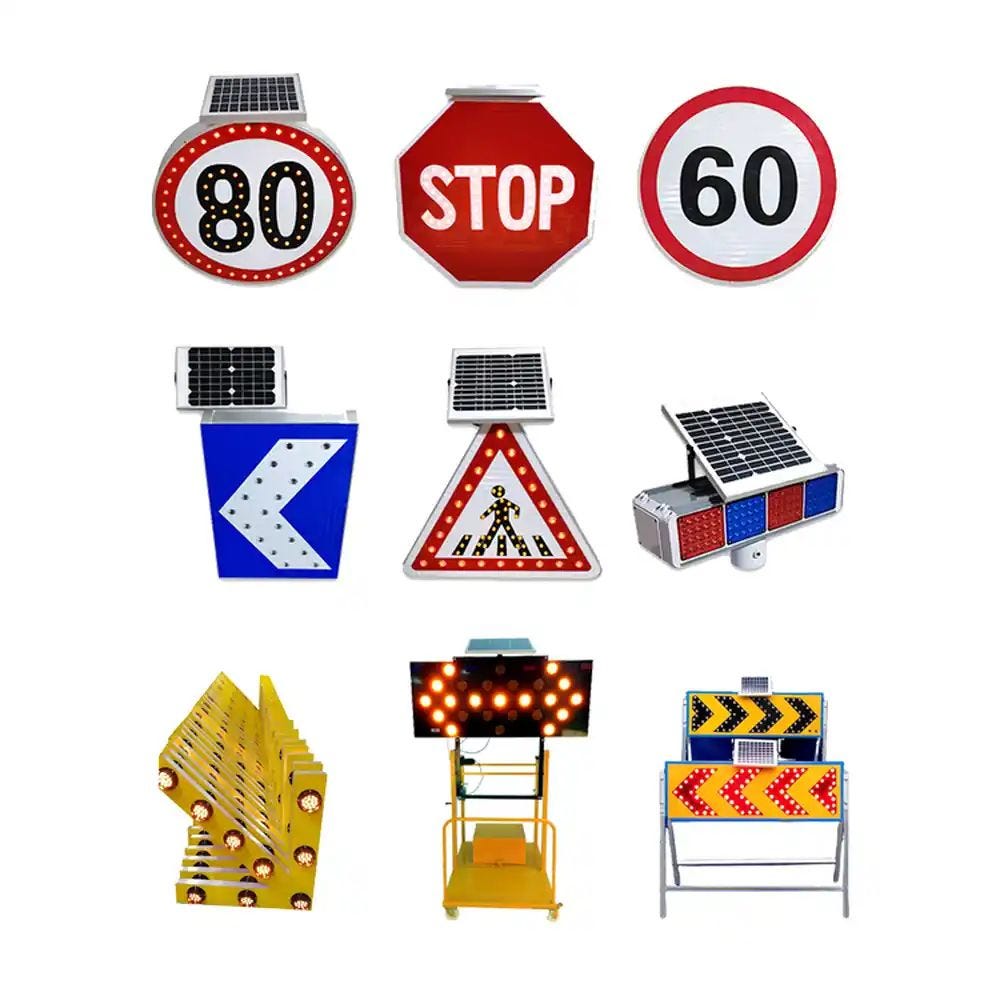
Case studies of successful solar traffic implementation
Numerous installations worldwide demonstrate the success of solar traffic systems. When planners install them in advance of increased road use, they improve safety, compliance, and flow. Roads that transition from no solar traffic to equipped systems often show immediate safety improvements.
Future of traffic management with solar integration
As cities and highways modernize, solar traffic systems are part of smart traffic networks. They integrate with sensors, control systems, and data analytics to create adaptive traffic responses. In a future state, even temporary outages will trigger automated responses that maintain safety even if a particular sign momentarily loses power.
Conclusion: meaning and practical solutions
No solar traffic means roads or intersections operate without solar-powered traffic guidance. This absence can reduce visibility, increase risk, and affect compliance, particularly at night or in remote locations. Understanding the implications helps planners, drivers, and communities reduce danger through backup systems, maintenance, and education. Whether in urban or rural settings or projects like the mexico solar road, prioritizing solar traffic systems improves safety and ensures consistent traffic control.

评论
发表评论